Bridging the Divide: The US-Iran Memorandum Explained
A proposed memorandum between the US and Iran aims to resolve decades of tension, with the Vatican expressing hope for a lasting solution. This explainer breaks down the diplomatic pact's purpose and impact.
US-Iran Memorandum: Explained
A potential memorandum between the United States and Iran represents a formal agreement aimed at resolving longstanding disagreements and ending hostilities. This diplomatic pact would outline specific points negotiated by both nations, ultimately working toward lasting peace. According to Vatican News, Pope Francis expressed hope that such an agreement could offer "truly a solution to the war."
Why Is This News?
The prospect of a US-Iran memorandum has garnered significant attention. Tensions between these two countries have remained high for decades, and the Vatican's diplomatic involvement adds another layer of public interest. Pope Francis recently highlighted the agreement's importance, underscoring a global desire to de-escalate Middle East conflicts. His statement, reported by Vatican News, emphasizes the international community’s focus on diplomatic solutions for complex geopolitical challenges.
Decades of Tensions
The relationship between the US and Iran has endured decades of tension, with diplomatic overtures frequently interrupted by severe hostility. One notable instance occurred when then-US President Donald Trump and Iranian representatives reportedly signed an agreement at the Palace of Versailles. This 14-point agreement, finalized during a post-G7 dinner, sought to extend a ceasefire between the two nations, as reported by the BBC. This event illustrates past attempts to de-escalate conflicts, even those proving short-lived.
How Agreements Work
A diplomatic memorandum, often called a Memorandum of Understanding (MoU), is a formal document that details an agreement between two or more parties. While not always legally binding in the same way a treaty is, an MoU signals a serious commitment to a shared objective. These documents typically define the agreement's scope, outline each party's responsibilities, establish an implementation timeline, and provide mechanisms for dispute resolution. For example, the BBC reported that the Versailles agreement contained 14 specific points.
Who Is Affected?
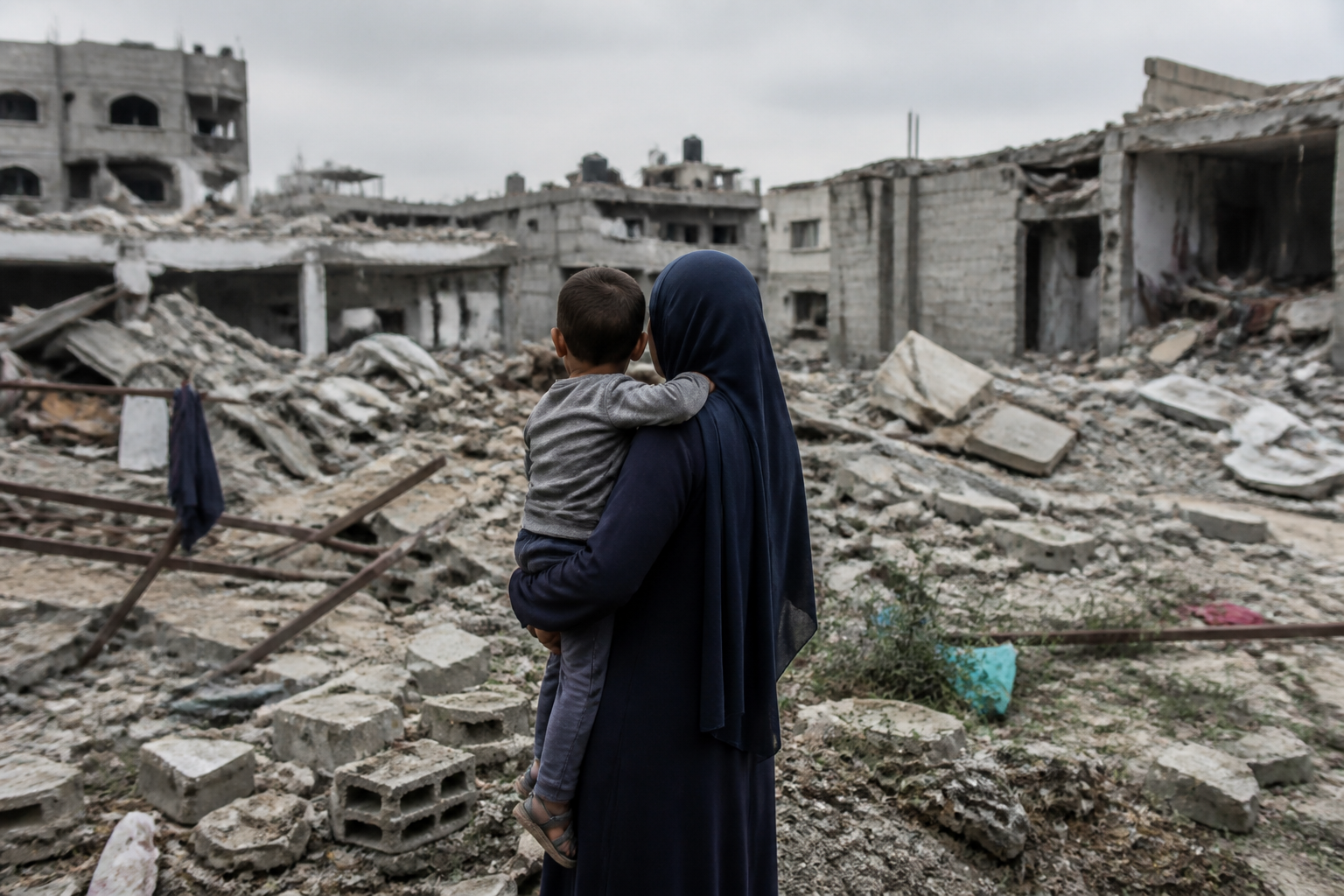
A resolution between the United States and Iran would create widespread impacts. Citizens in both countries could see benefits from reduced sanctions or increased regional stability. Globally, easing tensions between these two influential nations might foster greater regional stability, potentially influencing energy markets, international trade, and security alliances. Ongoing conflicts in the Middle East have caused widespread displacement and humanitarian crises; therefore, any movement toward peace holds critical importance for millions of people.
What Comes Next?
Numerous challenges face the path to a comprehensive US-Iran memorandum. These include deep-seated mistrust, differing political objectives, and the influence of regional actors. Continued diplomatic efforts, potentially involving intermediaries like the Vatican, will be crucial. Observers will look for signs of sustained dialogue and concrete implementation steps. The ultimate success will depend on both sides' willingness to compromise and commit to a shared, peaceful future.