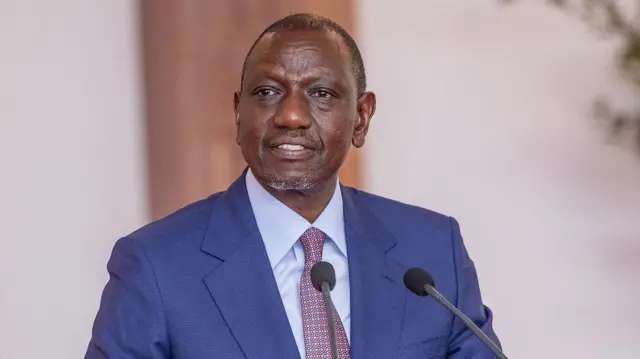
Beyond the Throne: Term Limits Fortify African Nations
My firm belief is that Africa's future hinges on robust democratic institutions. Without regular, peaceful transitions of power through strict term limits, the continent remains vulnerable to entrenched rule, hindering prosperity and good governance. It's time for change.
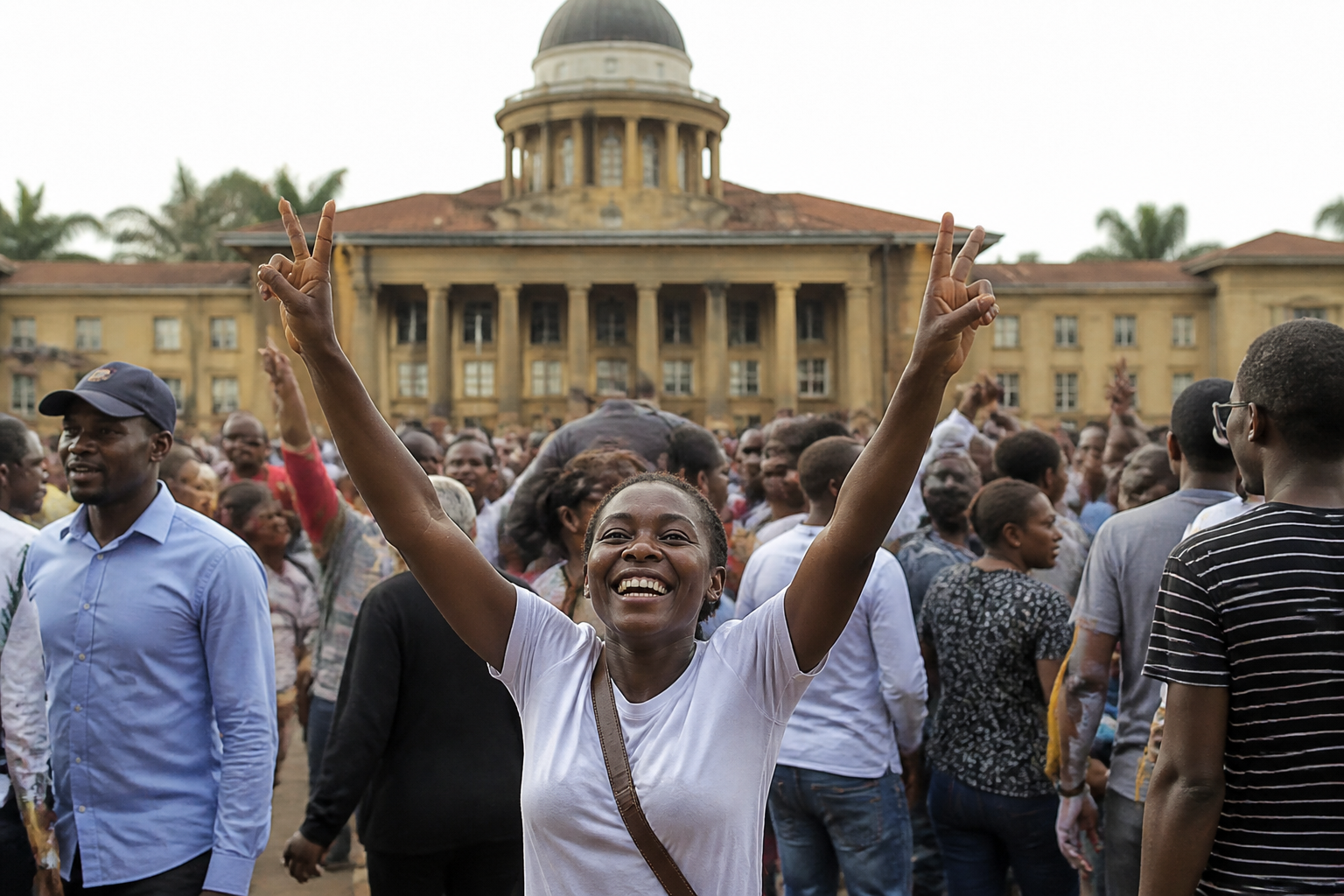
Term Limits Secure Africa's Future
The image of a leader clinging to power, their portrait adorning every public building, is one that has long haunted the African continent. This isn't just about individual ambition; it directly undermines the very foundation of stable, prosperous nations. My firm belief is that Africa's future hinges on robust democratic institutions, and chief among these are strictly enforced presidential term limits.
Leaders like Uganda's Yoweri Museveni and Zimbabwe's Emmerson Mnangagwa, by manipulating constitutions or suppressing dissent to extend their rule, directly impede the institutional strengthening necessary for sustainable economic growth and reduced conflict. Without regular, peaceful transitions of power, African nations remain vulnerable to the whims of individuals rather than the rule of law.
Leadership and Institutions
When a leader remains in office for decades, the lines between the state and the individual become dangerously blurred. State institutions, which should function independently to serve the public, instead become tools to entrench the incumbent's power. This centralization of authority stifles accountability and breeds corruption, as checks and balances designed to prevent abuse of power are systematically dismantled. The African Union's Agenda 2063, which envisions a prosperous and peaceful Africa, explicitly highlights good governance as a core aspiration, emphasizing democratic values and institutions. Such long tenures directly contradict this vision.
The Mo Ibrahim Foundation's indexes of African Governance consistently show a correlation between robust governance and improved public services, economic opportunity, and human rights. Countries where leaders respect term limits tend to perform better across these metrics because a culture of institutional strength, rather than personality cults, can flourish. This allows for predictability and stability, crucial elements for attracting investment and fostering economic development.
Preventing Conflict
Extended presidencies also frequently lead to increased political instability and conflict. When avenues for peaceful change are blocked, frustration builds, often erupting into violence. The fight for power becomes a zero-sum game, as those in opposition see no legitimate path to leadership other than through extra-constitutional means. This was evident in situations where leaders attempted to or successfully altered constitutions to remove term limits, igniting widespread protests and sometimes armed conflict.
Consider how constitutional amendments have been used to eliminate or extend term limits in various African nations. This manipulation often coincides with a crackdown on dissent and a narrowing of political space. The Council on Foreign Relations has frequently highlighted how democratic backsliding in Africa is intrinsically linked to leaders' attempts to remain in power indefinitely, escalating tensions and undermining security.
Countering Stability Arguments
Some argue that long-serving leaders provide stability, preventing the chaos that can accompany frequent changes in government. They might claim that an experienced hand is necessary to navigate complex national challenges and that constantly changing leadership can disrupt development plans. This viewpoint, while seemingly pragmatic, fundamentally misunderstands the nature of true stability. What appears as stability under an entrenched leader is often merely the suppression of discontent, a fragile peace that can shatter at any moment.
Genuine stability arises from strong, independent institutions that can withstand changes in leadership, not from the indefinite rule of a single individual. When institutions are strong, the departure of a president does not plunge a nation into crisis; instead, it demonstrates the resilience of the democratic process. Economist Intelligence Unit reports often link political stability with investment climates, and while short-term stability might be gleaned from an authoritarian grip, long-term, sustainable stability and economic growth are nurtured by predictable transitions and the rule of law.
The time has come for African nations to unequivocally embrace and enforce presidential term limits. This is not merely a democratic ideal; it is a practical imperative for good governance, economic prosperity, and lasting peace. Let us demand that our leaders prioritize the strength of our institutions over their personal ambitions, ensuring Africa's bright future is built on an unbreakable foundation of democratic principles and peaceful transitions of power.