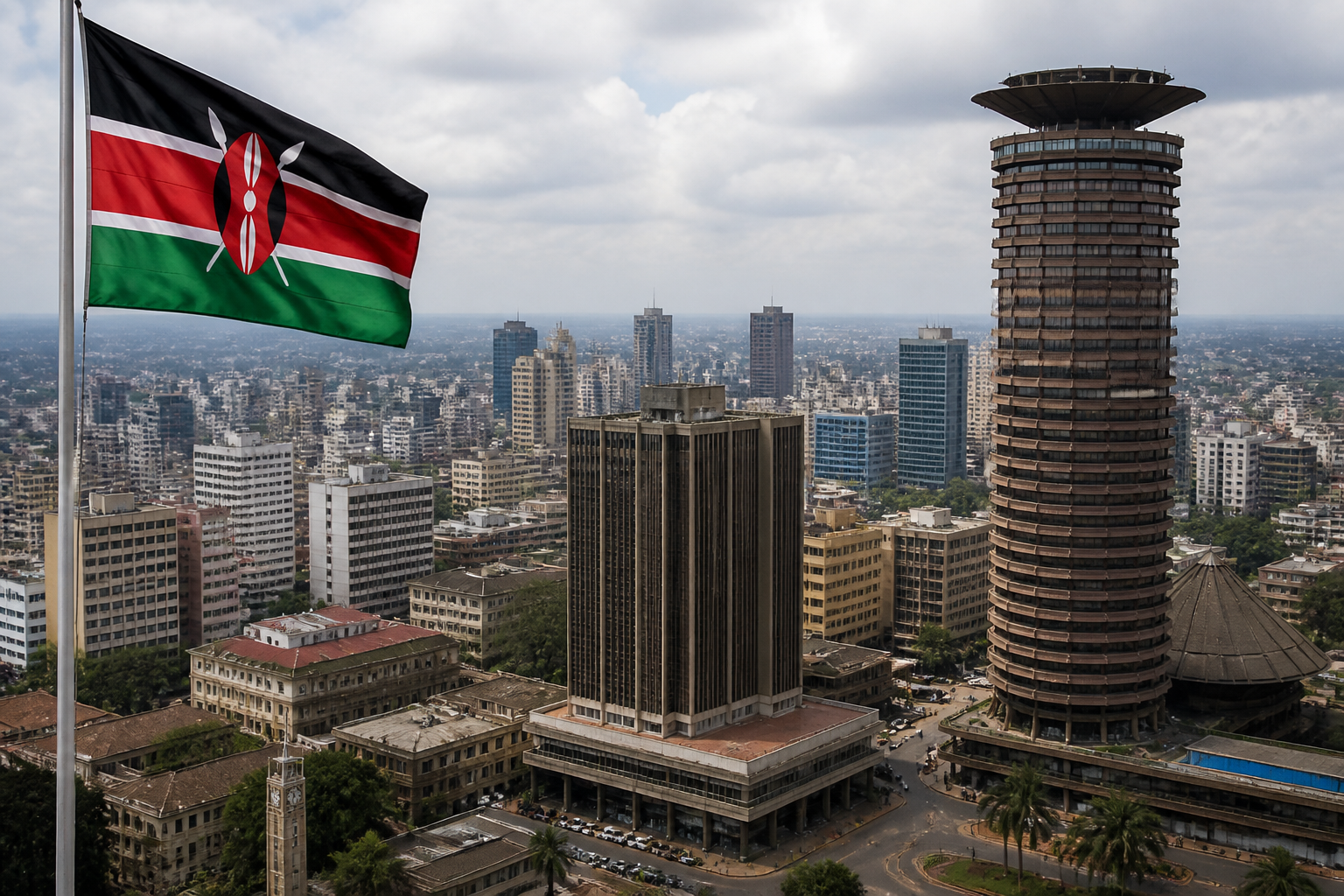
Beyond Numbers: How Kenya's Parliament Ratifies the National Budget
Kenya's national budget, a critical financial plan, undergoes rigorous parliamentary scrutiny and approval. Learn how this multi-stage process ensures accountability and shapes the nation's economic future amid debt and inflation challenges.
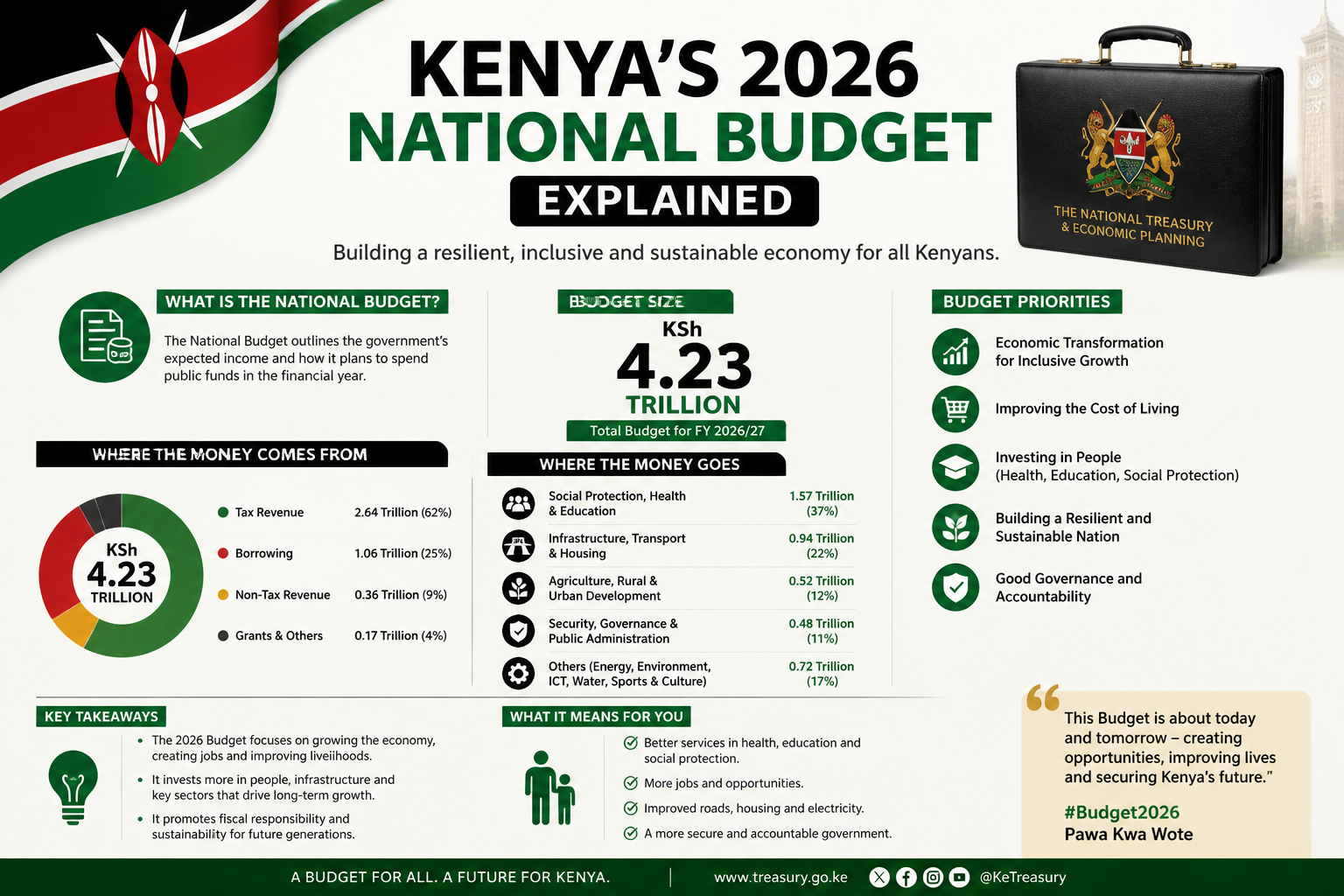
Kenya's National Budget: Explained
Kenya's national budget is the government's detailed financial roadmap, outlining its projected income and spending for a fiscal year. This period typically runs from July 1st to June 30th. It dictates how public funds, collected through taxes and other revenues, are distributed among government ministries, departments, and agencies to deliver public services and implement development projects across the country.
Why is Kenya's Budget in the News?
The national budget is always a central topic in Kenya. However, discussions around the upcoming 2026 budget hold particular weight given the current economic climate. Kenya is grappling with significant debt levels, fluctuating inflation, and the urgent need to stimulate growth in key sectors like agriculture, manufacturing, and technology.
For example, the World Bank's April 2024 Kenya Economic Update reported a public debt-to-GDP ratio reaching 70% by June 2023. Inflation, the rate at which prices for goods and services rise, averaged 7.7% in 2023, exceeding the Central Bank's target. The budget is a primary tool for addressing these challenges, making its formulation and approval a subject of widespread public interest and debate.
What is the Background to Kenya's Budget Process?
Chapter 12 of The Constitution of Kenya and the Public Finance Management Act of 2012 establish the legal framework for Kenya's public finances. These documents mandate an open, accountable, and transparent budgeting system, ensuring public participation throughout the process.
The budget process is a continuous cycle, beginning well before the new financial year. While budget preparation historically involved top-down directives, reforms introduced with the 2010 Constitution emphasized public input and parliamentary oversight.
How Does Kenya's Budget Approval Process Work?
Approving Kenya's national budget involves multiple institutions and significant parliamentary scrutiny. Here is a step-by-step breakdown:
1. Formulating the Budget Policy Statement (BPS)
The process starts about a year in advance. The National Treasury, led by the Cabinet Secretary for the National Treasury, prepares the Budget Policy Statement (BPS). This document outlines the broad economic policies and priorities that will guide the budget for the upcoming financial year and the medium term. It includes projections for revenue, spending limits for government sectors, and the overall financial framework. The BPS is typically published by February 15th each year.
2. Public and Parliamentary Input on the BPS
Once the BPS is published, the public can submit feedback directly to the National Treasury or through their Members of Parliament. Parliament's Budget and Appropriations Committee then analyzes the statement and engages with various stakeholders, including government ministries, civil society organizations, and the private sector. The committee presents a report with recommendations on the BPS to Parliament, which then debates and approves the statement. This approval sets the stage for detailed budget preparation.
3. Sectoral Hearings and Estimates
With the BPS approved, government ministries, departments, and agencies (MDAs) prepare their detailed spending proposals, known as ministerial budget estimates. These estimates itemize specific programs, projects, and operational costs for each entity. The National Treasury consolidates these estimates, often holding discussions with MDAs to align their requests with the approved BPS.
4. The Budget Estimates and Appropriation Bill
The Cabinet Secretary for the National Treasury then presents the final Budget Estimates to the National Assembly by April 30th. These estimates are accompanied by:
- Division of Revenue Bill: This outlines how revenues will be shared between the national and county governments.
- County Allocation of Revenue Bill: This specifies allocations to individual counties.
Within Parliament, the Budget and Appropriations Committee, along with other departmental committees, reviews these estimates. Each departmental committee scrutinizes the proposals for ministries under its purview. This stage involves detailed questioning of accounting officers, such as Principal Secretaries, on their financial requests and proposed expenditures.
5. Parliamentary Debate and Approval
Following committee reviews, the Budget and Appropriations Committee compiles a comprehensive report and presents it to the entire National Assembly. A critical moment is the "Budget Statement," often called the "Budget Reading," where the Cabinet Secretary for the National Treasury formally announces the budget proposals, tax measures, and economic outlook. This event typically occurs in June.
Parliament then debates the proposed Budget Estimates and the accompanying Appropriation Bill. The Appropriation Bill is the legal instrument that authorizes the government to spend public money from the Consolidated Fund. The Consolidated Fund is the primary government account for revenues and expenditures. The National Assembly must pass this bill before the financial year begins on July 1st. The debate can involve several readings, amendments, and votes.
6. Presidential Assent
Once the National Assembly passes the Appropriation Bill, it goes to the President for assent. The President's signature transforms the bill into law, officially authorizing the government to spend the allocated funds. If the President has reservations, they can return the bill to Parliament with their concerns.
Who's Affected by the National Budget?
The national budget impacts virtually everyone in Kenya:
- Citizens: The budget determines the quality and accessibility of public services such as healthcare, education, and infrastructure. Tax policies directly influence household incomes and the cost of goods and services.
- Businesses: The budget's tax incentives, regulatory changes, and government procurement plans can significantly affect business operations, profitability, and investment decisions across all sectors.
- Government Ministries and Agencies: Their operational capacity and ability to implement projects directly depend on the funding they receive.
- County Governments: The Division of Revenue Bill determines the funds available to counties for devolved functions, influencing local development and service delivery.
- International Investors and Donors: International financial institutions and potential investors closely monitor the budget's fiscal stance, debt management strategy, and commitment to specific development goals.
What to Watch Next for the 2026 Budget
As Kenya moves towards the 2026 budget cycle, several areas will warrant close attention:
- Debt Sustainability: The government's ability to manage and reduce national debt while funding essential services will be crucial. Any strategies for debt restructuring or increased revenue mobilization will be closely watched.
- Sectoral Allocations: There will be debates about which sectors receive priority funding. Given current economic pressures, agriculture for food security, manufacturing for job creation, and technology for innovation are likely to be key focus areas.
- Taxation Policies: The government's approach to generating tax revenue will be critical. Discussions may involve new taxes, adjustments to existing tax rates, or measures to broaden the tax base without hindering economic growth.
- Public Participation: The extent and impact of public input on the final budget document will demonstrate the government's commitment to inclusive governance and accountability.
- Inflation Control: How the budget proposes to manage inflationary pressures, especially concerning essential goods, will directly affect the cost of living for ordinary Kenyans.
The upcoming 2026 budget cycle will present opportunities to foster economic growth and significant challenges in balancing competing demands with limited resources.
Glossary
- Appropriation Bill: A legislative bill that authorizes the government to spend public funds for specific purposes.
- Budget Policy Statement (BPS): A document outlining the government's broad economic policies and priorities for the upcoming budget.
- Consolidated Fund: The primary government account into which all public revenues are paid and from which all authorized public expenditures are made.
- Fiscal Year: A 12-month period for which a government or company plans its budget. In Kenya, it runs from July 1st to June 30th.
- Inflation: The rate at which the general level of prices for goods and services is rising, and, consequently, the purchasing power of currency is falling.