Iranian-Americans protest against Iran team at World Cup Missed the Mark
Iranian-American Protests Missed the Mark Iranian-American protests against their national football team at the World Cup, while stemming from deeply held convictions, ultimately proved counterproductive and risked alienating potential allies in their crucial fight for change in Iran. My perspective is that the passion of these protests, though understandablegiven the dire human rights situation, was misdirected and failed to effectively advance their cause on the global stage.
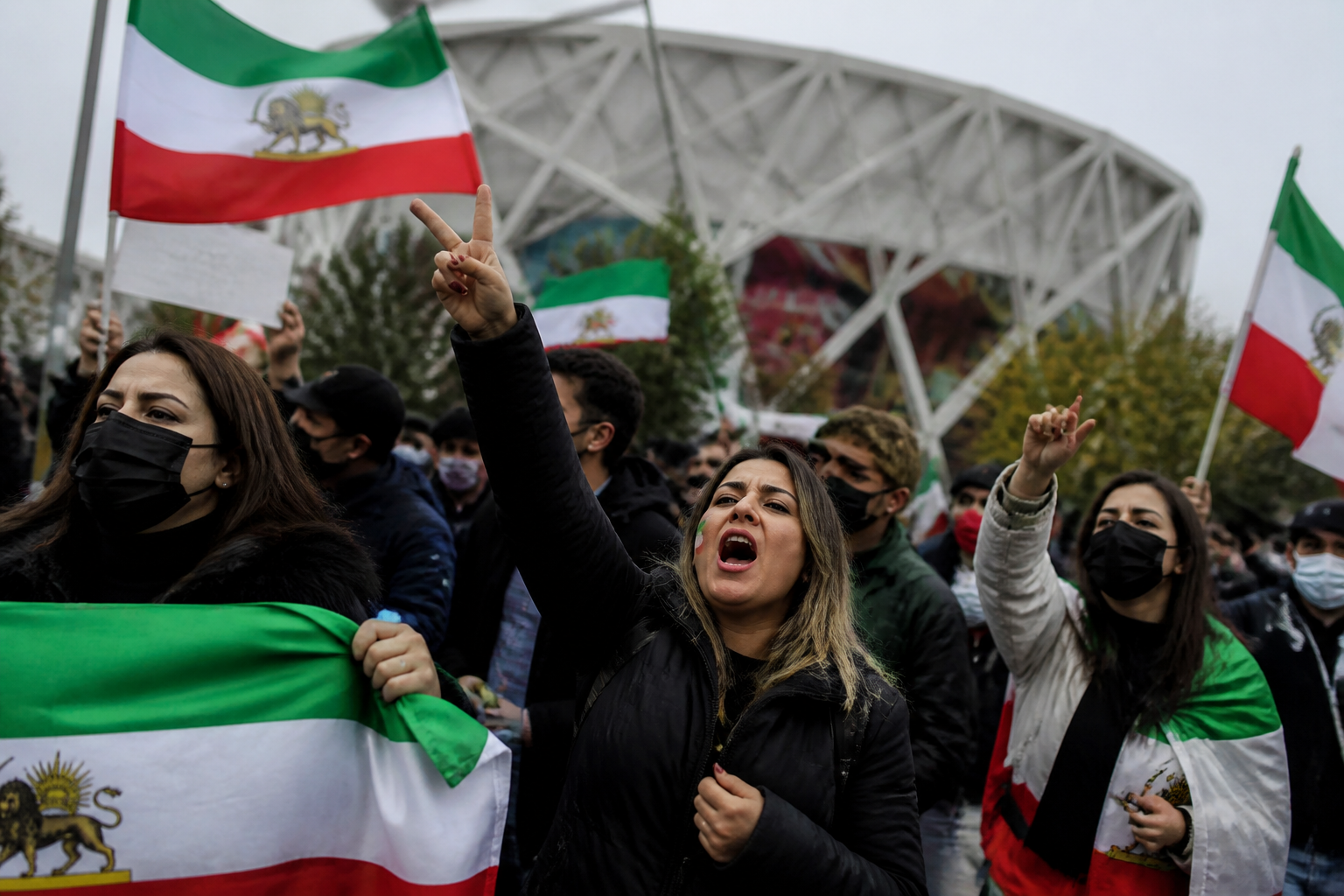
During the 2022 World Cup in Qatar, Iranian-American groups engaged in highly visible demonstrations against the Iranian national team, known as Team Melli. These protests included disrupting games and booing the Iranian national anthem, particularly in matches against the United States, as reported by the BBC. In Los Angeles, some Iranian-Americans specifically protested the team's perceived ties to the Islamic Revolutionary Guard Corps (IRGC), advocating for the removal of Iran’s clerical regime, according to another BBC report.
Misguided Tactics
The motivations behind these protests are undeniably rooted in profound concern for human rights in Iran, directly linked to the widespread unrest and the "Woman, Life, Freedom" movement. Protesters sought to draw international attention to the regime's oppressive actions. However, targeting an athletic team that represents a nation, not necessarily its government, often leads to a muddled message. When spectators boo a national anthem or disrupt a sporting event, the nuances of their grievances can be lost, and the action may simply be perceived as disrespect towards the team and its supporters, rather than a protest against the government.
Such actions risk alienating the very individuals and groups whose sympathy and support are essential for broader international advocacy. Many Iranian expatriates and even those within Iran view Team Melli as a source of national pride, separate from politics. By directly targeting the team, protesters might inadvertently push away fellow Iranians who could otherwise be allies in pressuring the regime, creating division rather than unity.
More Effective Advocacy
Instead of focusing on disrupting sporting events, which can be easily dismissed as unsportsmanlike conduct, the Iranian diaspora could pursue more targeted and impactful advocacy. Supporting specific political initiatives, for example, by lobbying international bodies and governments to impose stricter sanctions on regime officials or to provide humanitarian aid to victims of repression, could yield tangible results. Engaging in cultural outreach that highlights the rich Iranian heritage and the democratic aspirations of its people, rather than focusing solely on condemnation, could also garner broader international understanding and support.
Another approach could be to fund and uplift independent Iranian journalists and human rights organizations working on the ground and in exile. Their direct reporting and documentation of abuses are powerful tools for advocacy. Amplifying these voices through organized media campaigns or educational initiatives would provide more concrete evidence of the regime’s transgressions and make a stronger case for international intervention. These strategies focus on the regime's actions rather than national symbols, making the message far clearer and more potent.
Visibility Not Enough
A common counter-argument is that "any visibility is good visibility" when it comes to human rights issues. While it is true that protests raise awareness, the nature of that awareness matters. If the visibility gained is primarily that of a disruptive or seemingly unpatriotic demonstration, it can detract from the core message of human rights abuses and political oppression. For many casual observers, the context of internal Iranian struggle might be lost in the spectacle of angry fans. The goal should be to generate informed empathy and actionable support, not just to create a scene.
The international community, including potential political allies, needs a clear understanding of the injustices in Iran and a pathway to support meaningful change. Actions that are easily misinterpreted or that divide the diaspora itself serve only to dilute the power of their collective voice. It is imperative that Iranian-American groups and the broader diaspora coalesce around strategic, unified approaches to advocacy that precisely target the regime and build solidarity, rather than inadvertently creating friction within their own ranks or with a global audience. The fight for freedom in Iran is too important for its message to be lost in translation or misdirected anger.